I like to visit Sasebo’s former naval cemetery at Highasi Park from time to time, looking at ship memorials and enjoying the changing seasons there. It’s Japan’s largest naval cemetery and since the first burials in 1892, it’s kept alive…
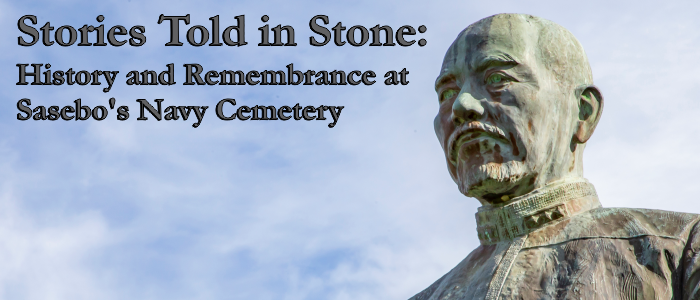
I like to visit Sasebo’s former naval cemetery at Highasi Park from time to time, looking at ship memorials and enjoying the changing seasons there. It’s Japan’s largest naval cemetery and since the first burials in 1892, it’s kept alive…
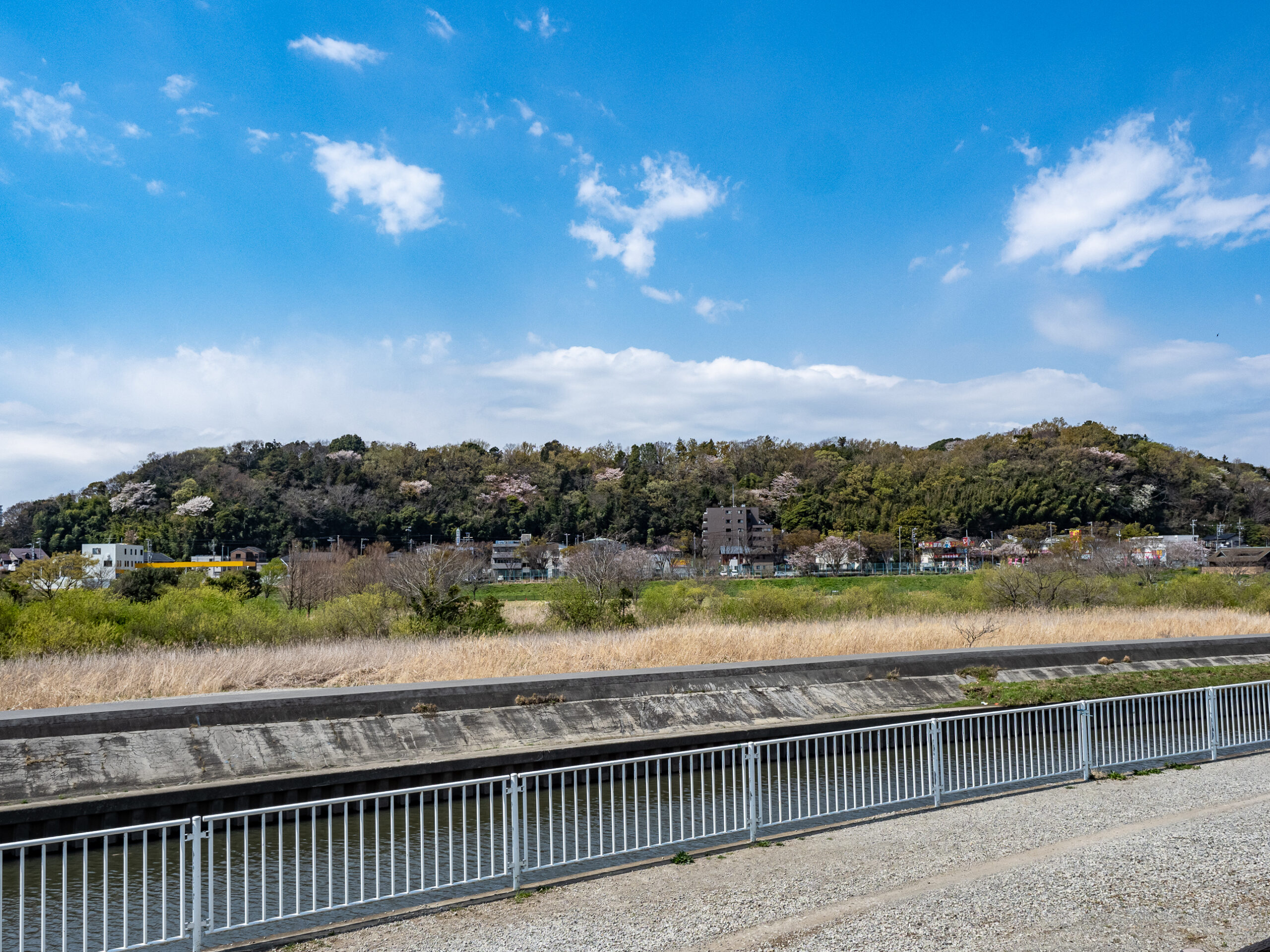
A samurai lord sits on a hillside, still dressed in his armor, looking across the swamp that stretches before him. Ise Sozui, known to history as the great Hojo Soun and founder of the mighty Late Hojo Clan, looks…
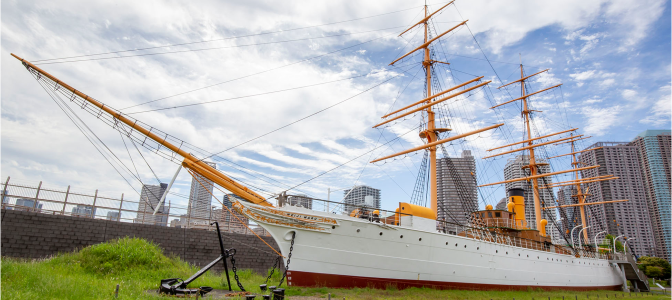
Meiji Maru is a ship with unique bragging rights- it’s the reason for a Japanese holiday. After the shogunate was deposed in 1868 and a new government took power, Japan began its rapid transition from feudalism to a modern industrial…
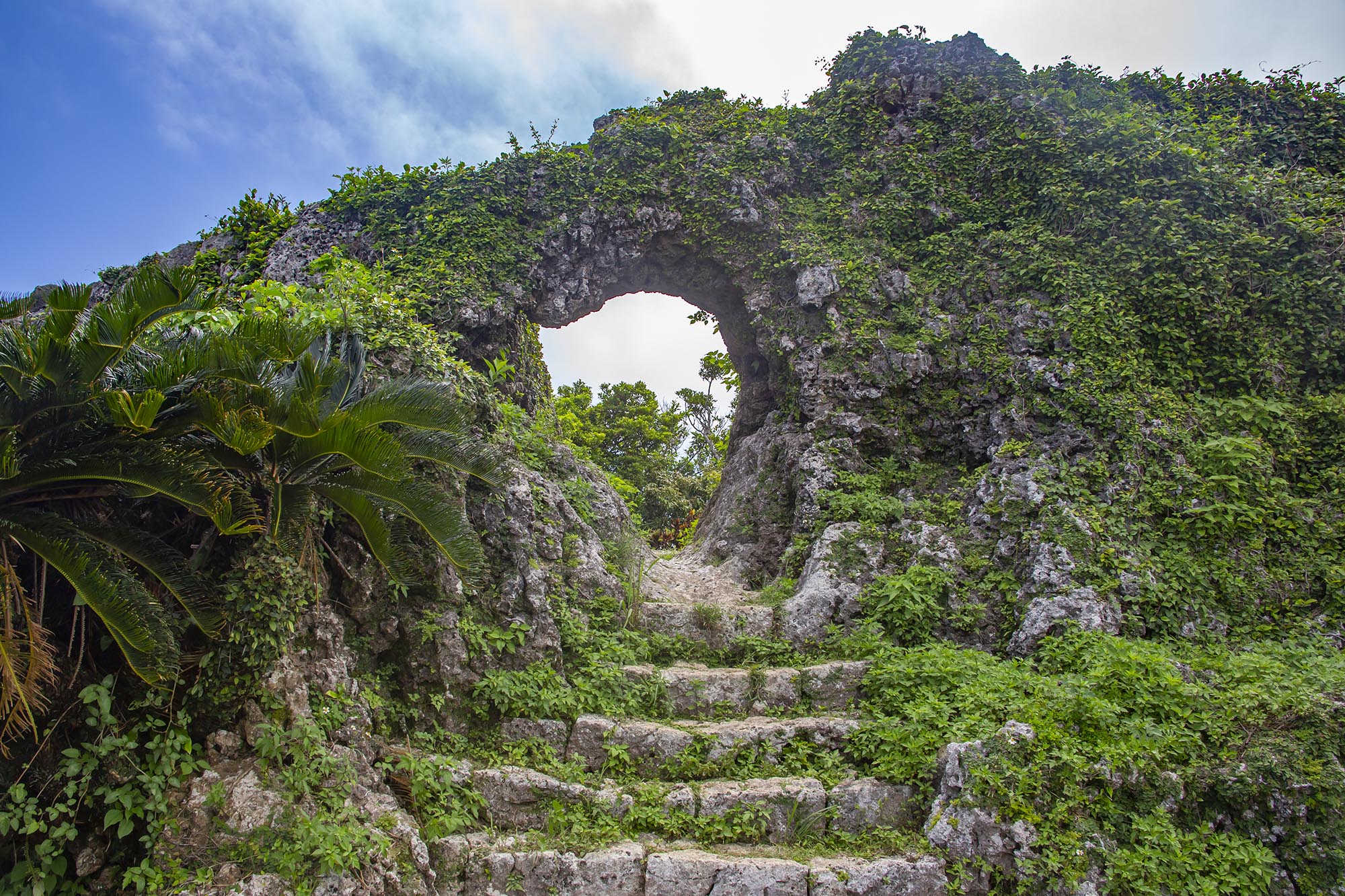
Because I didn’t know what my options were until I arrived, I set aside the afternoon of my anime sightseeing day trip to Nanjo City for whatever locally spoke to me. Since the Sefa-Utaki, the most sacred place in Okinawa’s…
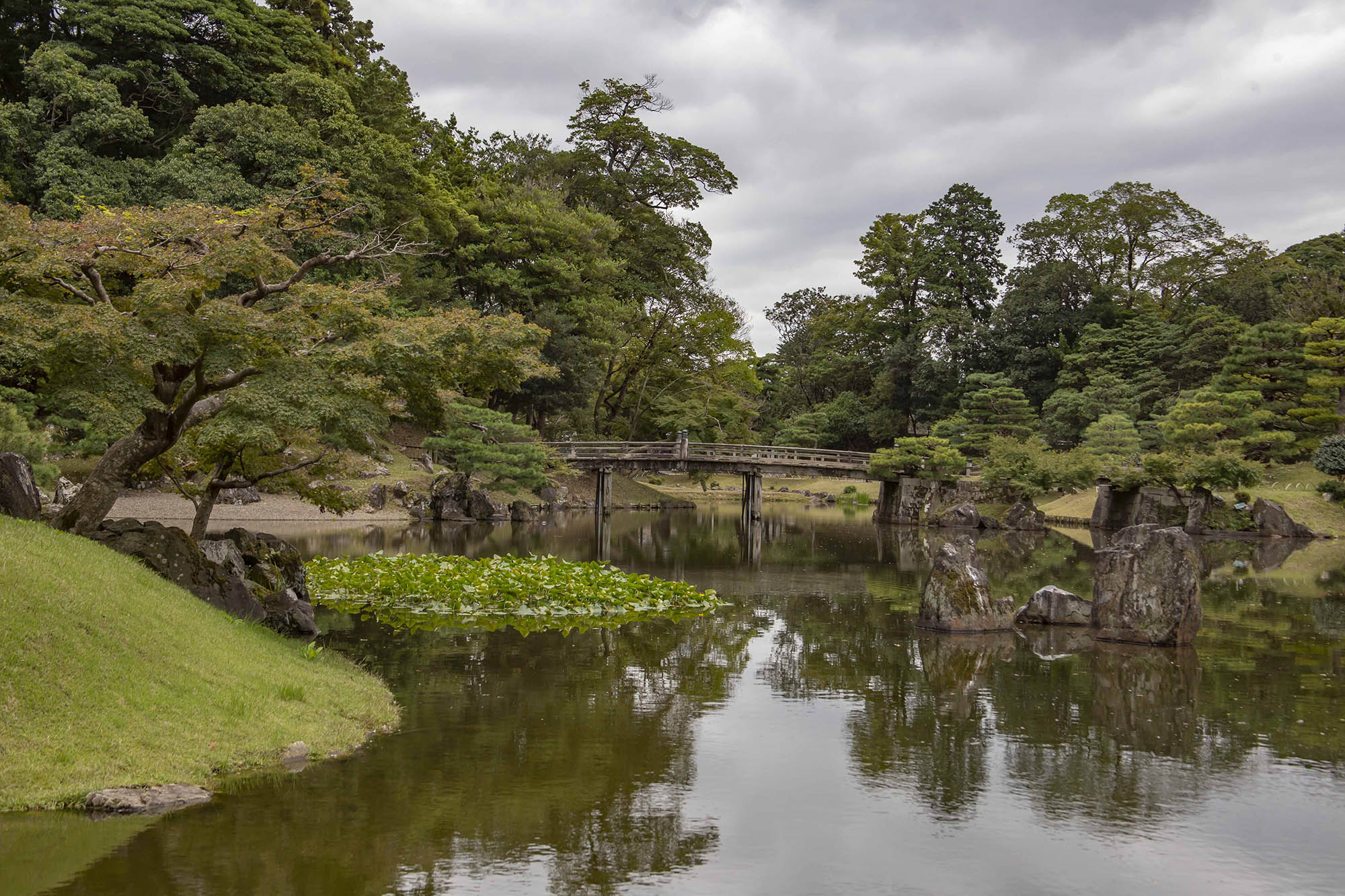
This article was originally published in Stripes Japan; ideally I’ll do full blown pieces on each of these locations. Plus Meiji-mura, again. Nagoya is an easy access point into Japan’s cultural heartland. It is also one which samurai armies fought…
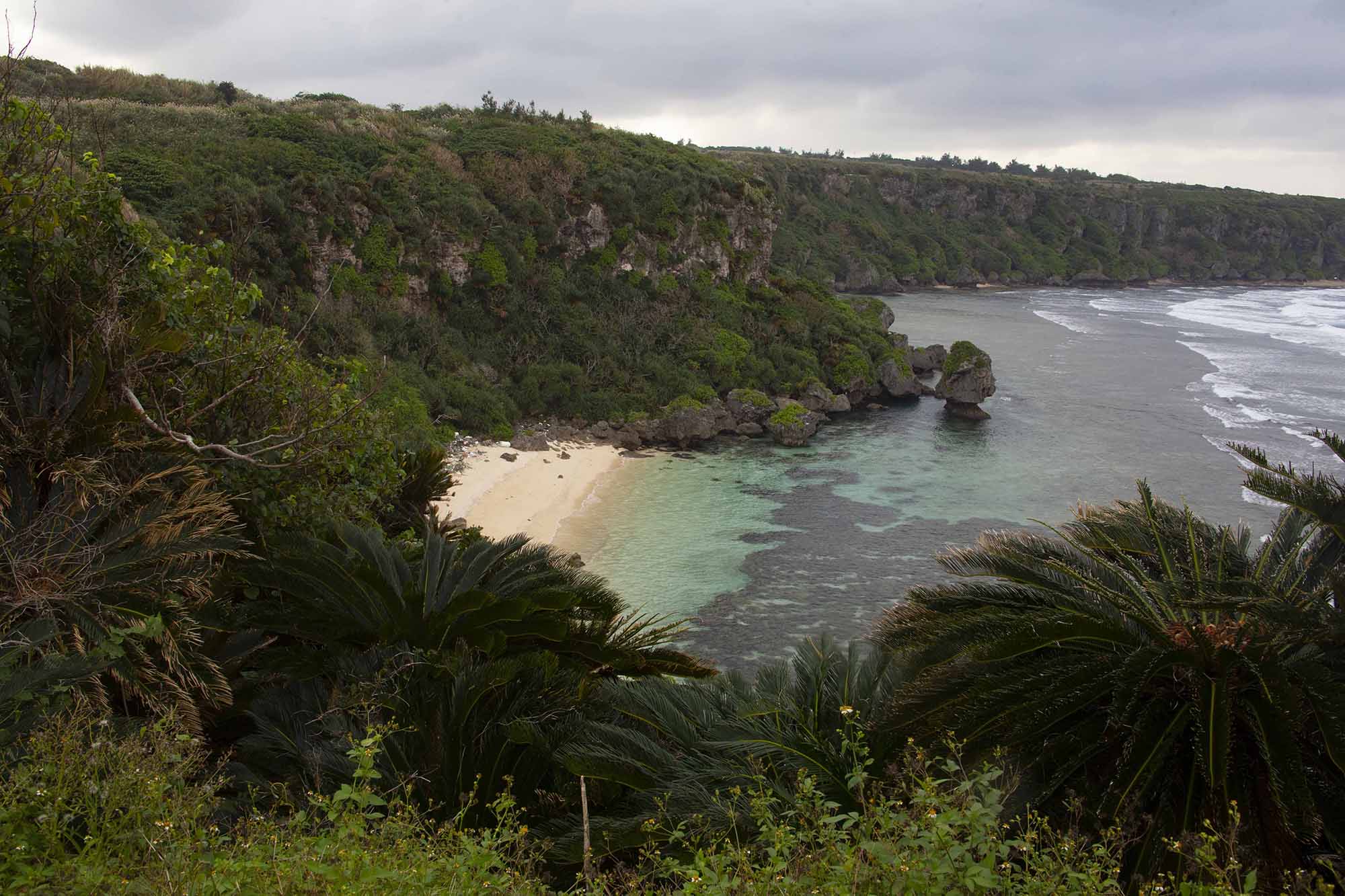
(This is a version of the story originally published in Stripes Japan’s Destination Paradise) As the interisland ferry approached Okinoerabujima, I still wasn’t sure if I’d made a mistake coming here. Before us was an island of high sea cliffs…
When the first train line opened between Tokyo and Yokohama on Oct. 14, 1872, one of the first passengers on the inaugural ride was Emperor Meiji (1852-1912). While it may have been one of his first train rides*, it was…
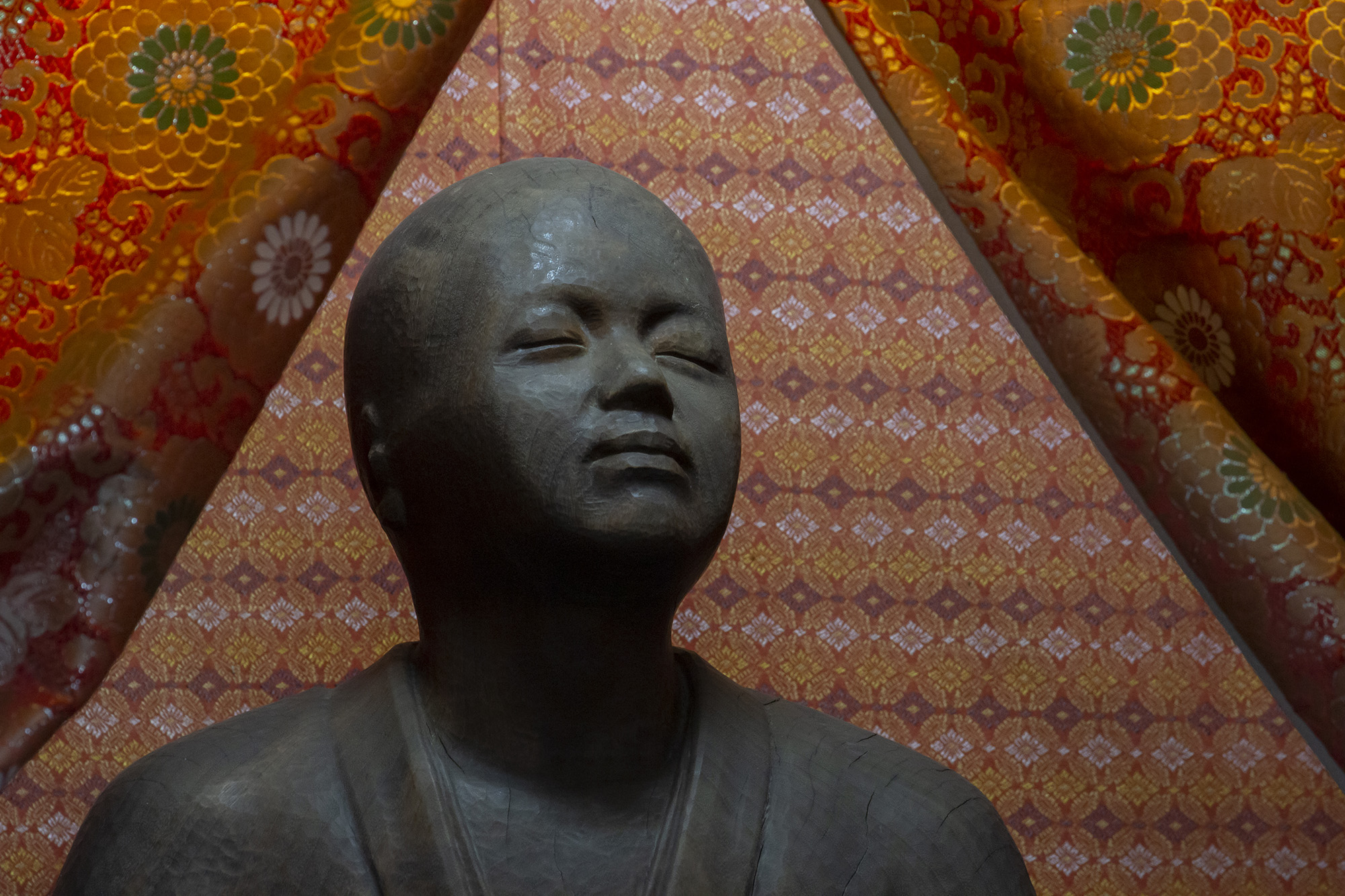
Centuries ago in Akamagaseki on Honshu’s southern shore, lived a blind biwa (lute) player named Hoichi at Amidaji Temple. A skilled musician, it was said his musical rendition of the tragic tale of the Battle of Dan-no-ura could move even…
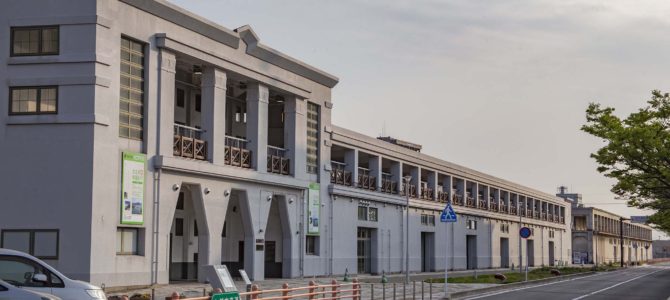
This is the second and final part of a series on Mojiko, Kitakyushu. Mojiko’s waterside is a quiet place with a park like atmosphere most notable for its unobstructed view of Shimonoseki across the Kanmon Strait and being a place…
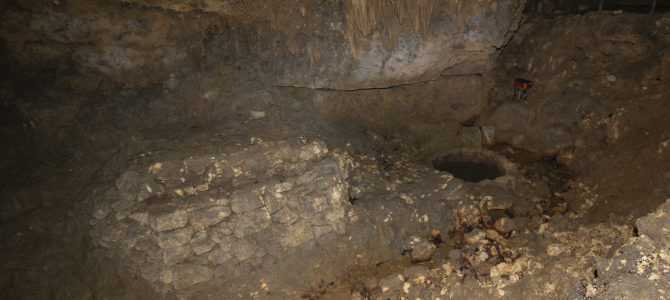
Though it can be read as a standalone article, this is the third in a series on the Himeyuri Student Corps covering one of the caves used to support the Haebaru Okinawa Army Hospital. On the surface the only tell-tale…