When the first train line opened between Tokyo and Yokohama on Oct. 14, 1872, one of the first passengers on the inaugural ride was Emperor Meiji (1852-1912). While it may have been one of his first train rides*, it was…
When the first train line opened between Tokyo and Yokohama on Oct. 14, 1872, one of the first passengers on the inaugural ride was Emperor Meiji (1852-1912). While it may have been one of his first train rides*, it was…
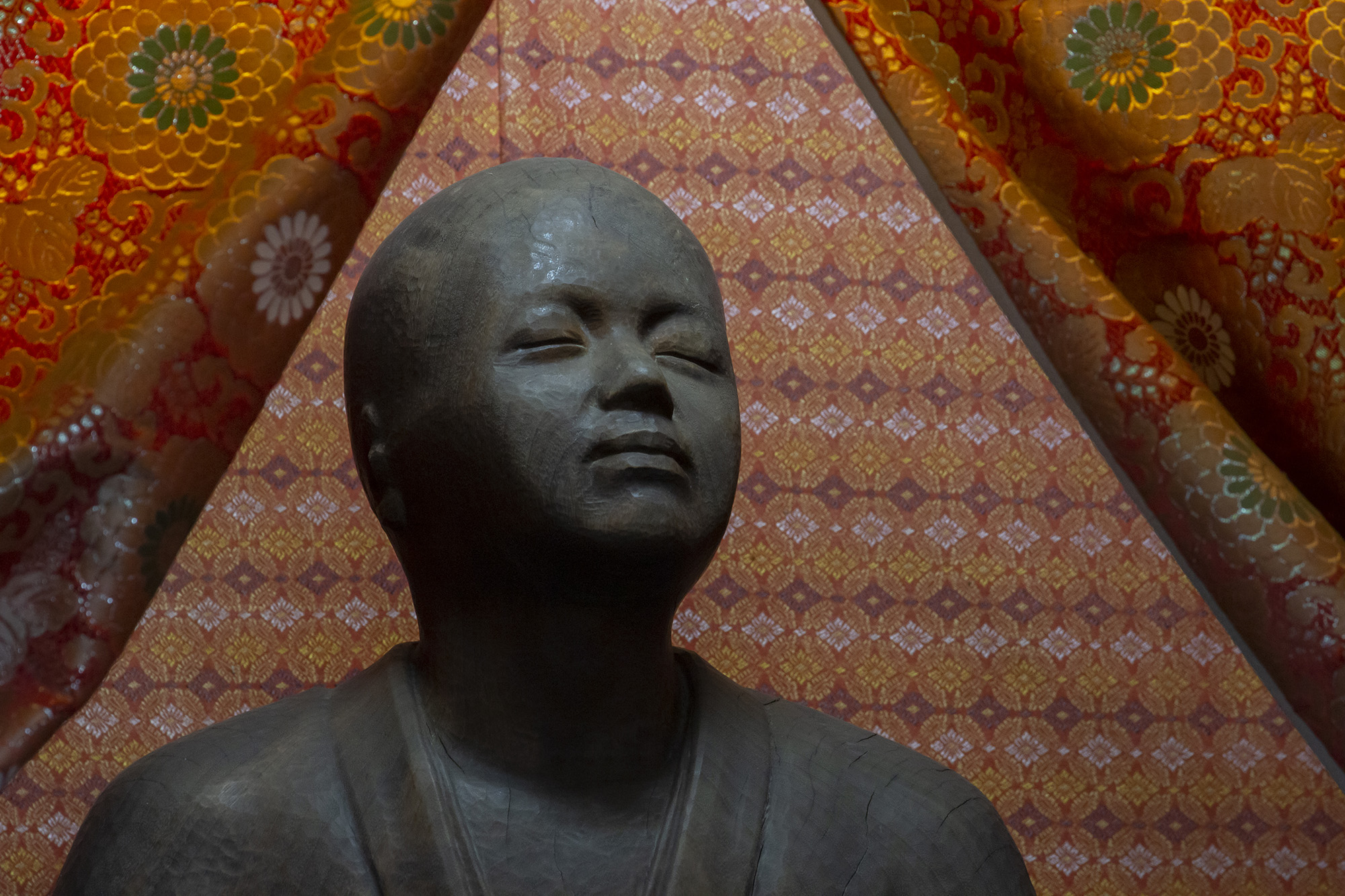
Centuries ago in Akamagaseki on Honshu’s southern shore, lived a blind biwa (lute) player named Hoichi at Amidaji Temple. A skilled musician, it was said his musical rendition of the tragic tale of the Battle of Dan-no-ura could move even…
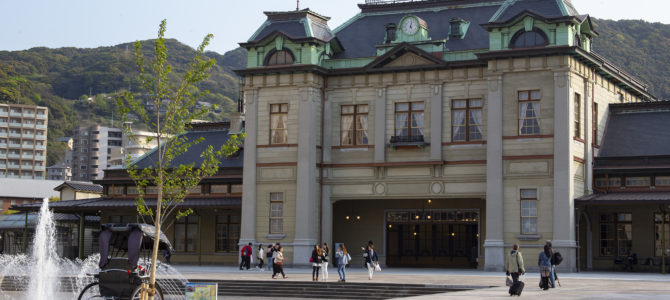
In the early 20th century Yokohama and Kobe were Japan’s first and second most important ports, places through which new foreign goods flowed and passengers embarked vessels to go abroad and discover new ideas and those coming to bring them…
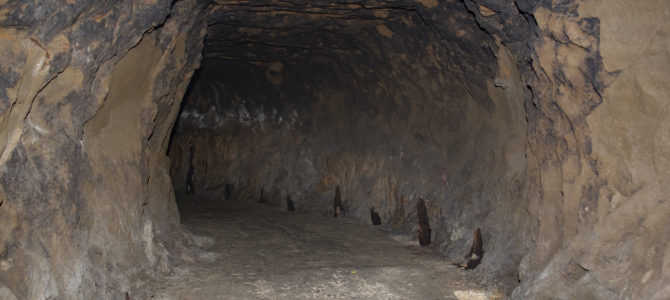
Though it can be read as a standalone article, this is the second in a series on the Himeyuri Student Corps where we follow their story to the place they first went to war, the Haebaru Okinawa Army Hospital. A…
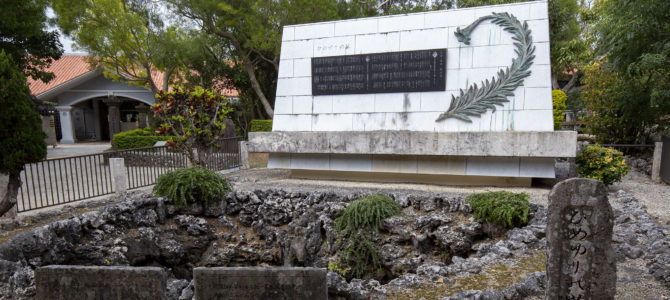
During World War II Japan expected everyone to do their part in securing the nation’s unquestionable ultimate victory and this included teenagers. On the mainland high school students were drafted en masse to work in munitions factories turning out weapons…
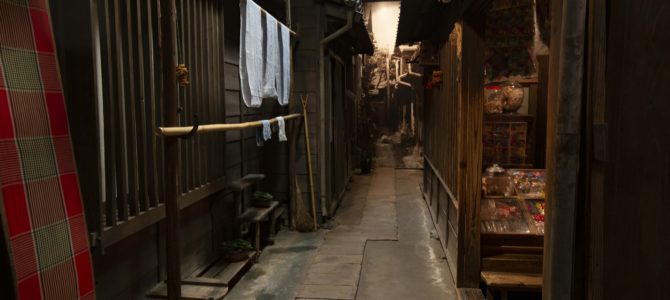
Divided by a rigid caste system until the Meiji Restoration, Edo was stratified between those who lived in Yamanote, the lords and samurai, and Shitamachi, the more common classes such as craftsman and merchants. Shitamachi means “low town” which refers…
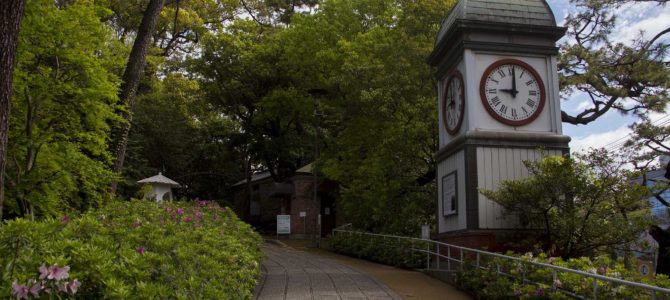
Nostalgic, beautiful and even whimsical were the three words that came to mind as I passed under the gate topped with a wrought-iron arch and into the park. Before me was a lush green space with over-sized paving stones for…
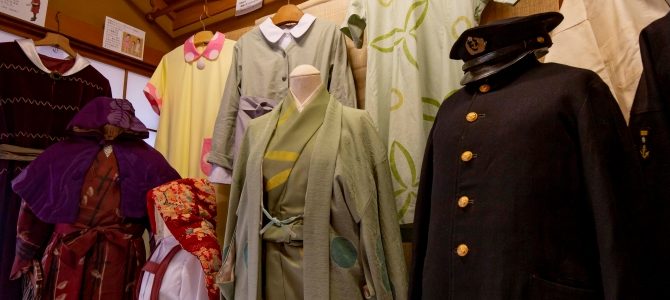
An old-fashioned wooden home hidden in an otherwise unassuming modern Tokyo suburb, Showa no Kurashi (Showa Living History Museum)* normally depicts post-war Tokyo life but for a limited time its taking visitors back to World War II to show life…
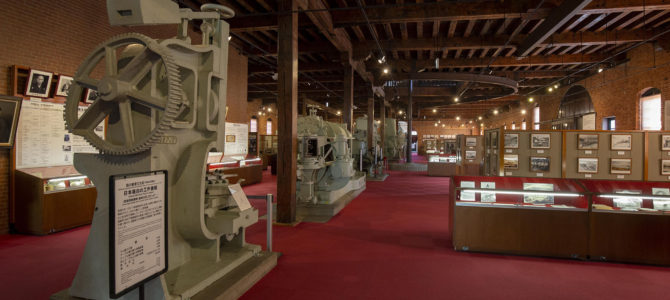
When feudal Japan re-opened to foreign relations after centuries of isolation in the 19th century, it had a lot technological catching up to do and Nagasaki was at the forefront of Japan’s rapid modernization. Previously the home of Japanese Catholicism…
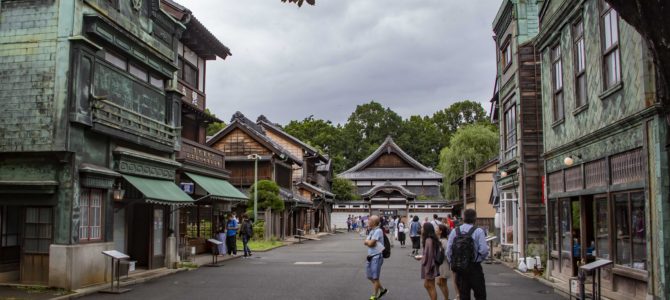
Tokyo is a place constantly in change. Buildings rise and fall, little is sacred, but if you want to see a little bit of that Old Tokyo that’s mostly escaped us and learn about the great city’s past in…